

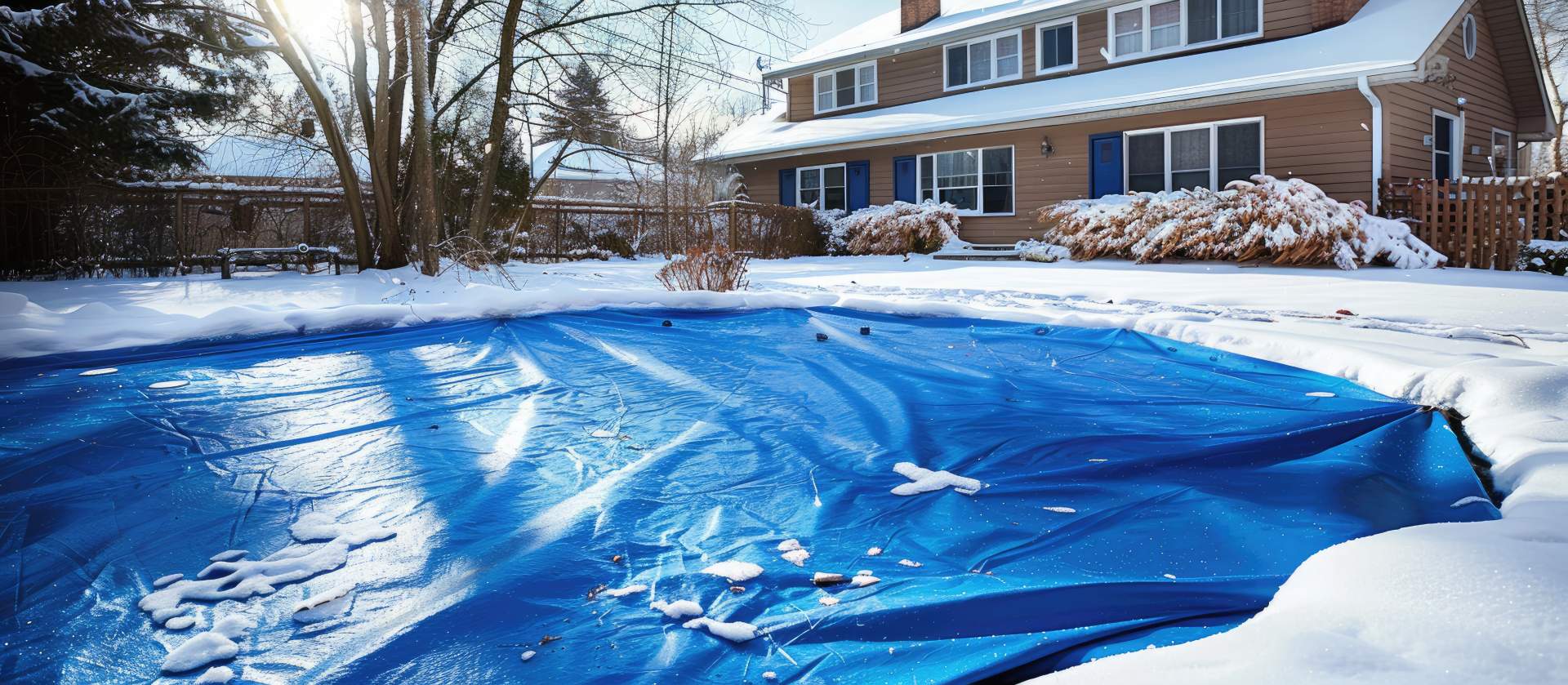
Winterizing your pool every year isn’t always the best choice. While it protects against freeze damage, it can also shorten plaster life, corrode surfaces, and increase long-term costs. Here’s a professional breakdown of when annual winterization helps and when it hurts your investment.
Understanding Pool Winterization
Pool winterization is the process of closing a pool for the cold season, lowering water levels, draining lines, adding chemicals, and covering the surface.
It’s meant to prevent freezing and reduce maintenance, but the decision to do it every year depends on your climate, water chemistry, and long-term cost goals.
Pros of Winterizing Every Year
✅ Protection from Freezing Temperatures
For regions with sustained sub-freezing weather, winterization protects plumbing and filtration systems from expansion damage. Water in pipes can freeze and crack PVC, filters, and fittings if left untreated.
✅ Lower Off-Season Maintenance
When done properly, a winterized pool requires minimal upkeep for several months, reducing the need for regular cleaning and monitoring.
✅ Keeps Debris Out
A fitted winter cover prevents leaves, dust, and contaminants from entering, reducing spring cleanup time and helping maintain cleaner water.
✅ Peace of Mind
Many homeowners value the reassurance that their system is protected, especially in unpredictable winter climates.
Cons of Winterizing Every Year
❌ Shortened Life on Pool Surfaces
Annual draining and refilling can weaken plaster, tile, and grout. The cycle of exposure and refilling accelerates cracking and surface wear.
❌ Stress on Equipment
Shutting down pumps and heaters each year, then restarting them months later, introduces mechanical stress that can shorten equipment lifespan.
❌ Cold Water Chemistry Problems
Cold, stagnant water is naturally acidic and corrosive. Even with chemicals added during closure, low temperatures can cause metal corrosion and plaster etching.
❌ No Guarantee Against Freeze Damage
Even properly winterized pools aren’t immune to damage. If water re-enters the lines or temperature swings cause expansion, cracks can still occur.
❌ Higher Long-Term Cost
While closing may seem cheaper each year, the combined effects of surface wear, equipment stress, and refilling costs often make annual winterization more expensive over time.
When Skipping Annual Winterization Makes Sense
For many modern pools – especially in moderate climates – it can be smarter to keep the system running during winter with professional freeze protection. Continuous operation maintains balanced chemistry, stable temperatures, and active circulation.
Benefits of a Managed Off-Season Approach:
- Preserves plaster and tile by avoiding acid exposure
- Keeps water balanced and clear year-round
- Prevents mechanical stress from yearly shutdowns
- Allows faster spring openings and lower chemical costs
With automated freeze guards and proper monitoring, year-round operation is often safer, cleaner, and more cost-efficient than repeated winter closures.
Best Practice: Choose a Strategy Based on Data, Not Habit
Whether you winterize or maintain year-round operation should depend on your regional climate, equipment setup, and maintenance capabilities, not on tradition.
An expert assessment can determine the most cost-effective and protective approach for your specific pool.
Protect Your Pool the Smart Way
Schedule a Winter Care Assessment with Top Notch Pool Management today.
Our certified team will help you determine the best off-season strategy for your climate, equipment, and budget.
Frequently Asked Questions
-
Is it always necessary to winterize a pool?
Not always. In many climates, maintaining water circulation and balanced chemistry through winter offers better long-term protection. -
Does winterizing save money?
Initially, yes. But over several years, the cost of repairs, refills, and material wear often outweighs those short-term savings. -
Can cold water really damage pool surfaces?
Yes. Cold, stagnant water becomes more acidic, which can corrode metals, etch plaster, and reduce surface lifespan. -
What happens if I don’t winterize my pool at all?
If your pool remains unprotected during extreme cold, water in the plumbing can freeze and cause cracks or burst pipes. However, with professional monitoring, proper circulation, and freeze protection systems, most pools can safely operate year-round without full closure. -
How do I know if my pool needs to be winterized this year?
The decision depends on your region’s climate, pool materials, and system setup. Pools in areas with sustained freezing temperatures benefit from partial or full winterization, while those in milder regions often stay protected through continuous operation and chemical balance maintenance.